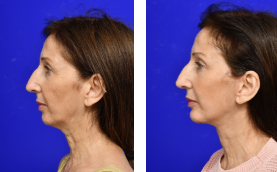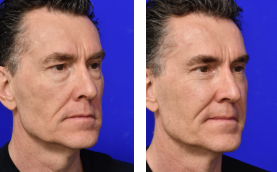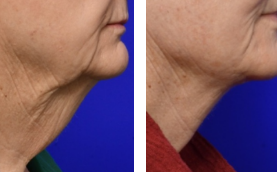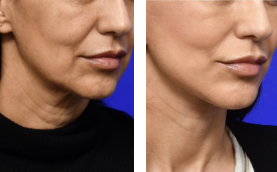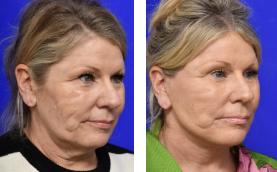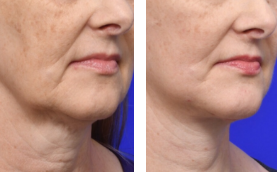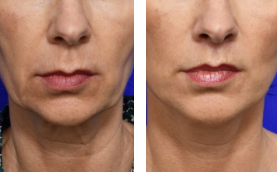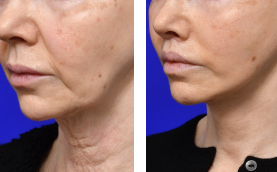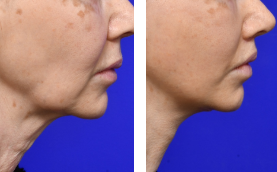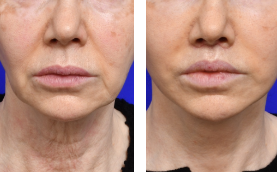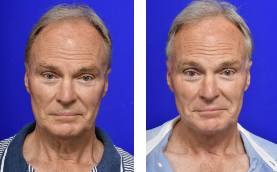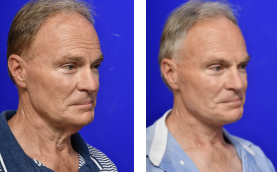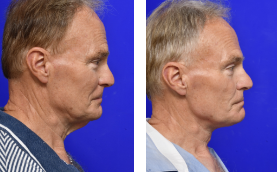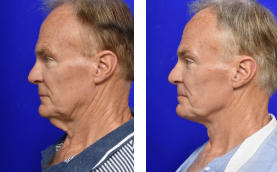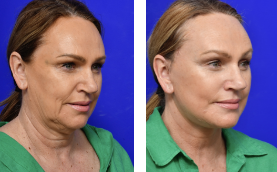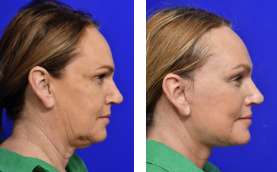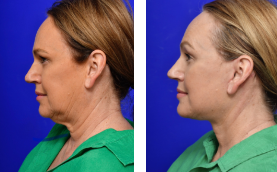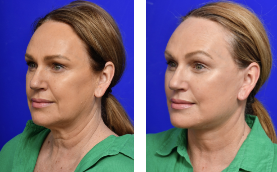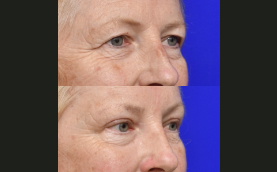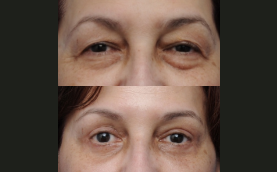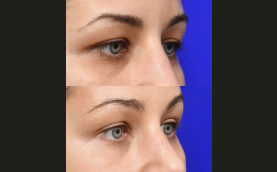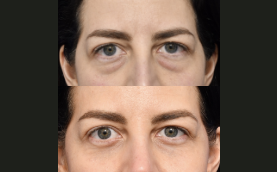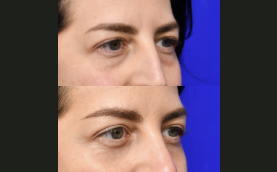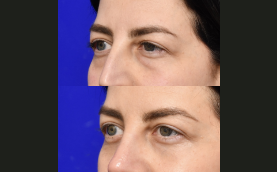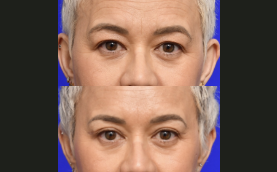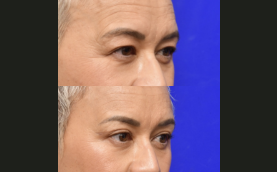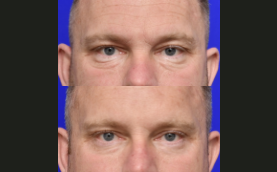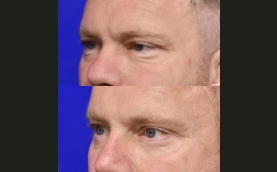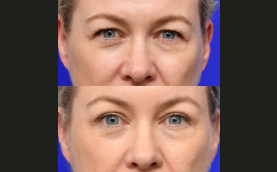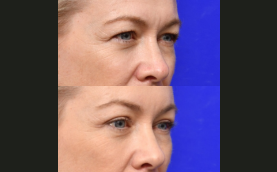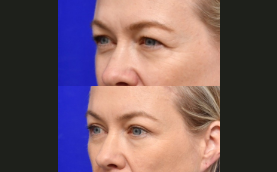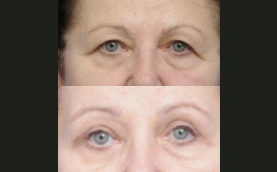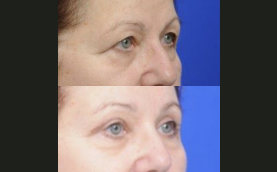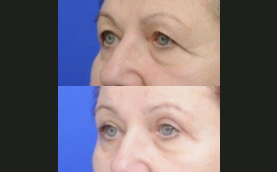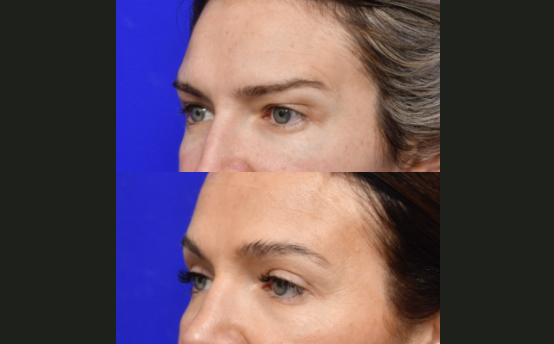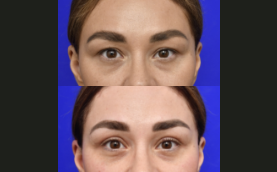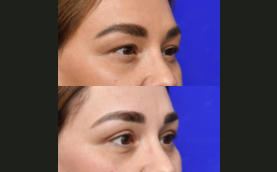

View the work Of Dr Greensmith
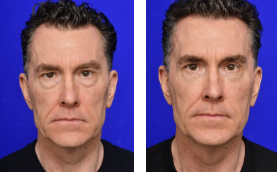


My philosophy of facial rejuvenation surgery is restructuring, not skin tightening. The facelift procedure is not a skin-tightening procedure, but it is more about restructuring the foundation of the lower face and neck – the skin rides passively over the reworked muscle layers. Think of your skin as the tablecloth, and the layers underneath as the table. If the shape of the table is changed, then the tablecloth will need to be trimmed to fit. While the jawline and neck typically begin to sag and show jowls, double chins, and bands in the front of the neck between 35 and 45 years of age, the appropriate time to intervene depends on the amount of aging change there is to reverse.
Operating too early is unwise, as there will likely be minimal visible improvements after the surgery – there should be meaningful change to be made. Don’t let yourself be told by any surgeon to operate early for prevention. It’s purely an emotive business model, and when you really need a facelift years later, your result may be compromised by previous scar tissue.
In addition, please avoid excessive use of facial fillers if you think you may be a candidate for a facelift one day. There is no doubt that patients with many years of facial filler use just don’t recover as well after facelifts, and then the results are not as good.
Operating too late, after health problems develop or marked aging changes have occurred, sometimes limits the results that are obtainable. In general, patients ranging from 40-70, who are non-smokers, in good health, and with a BMI of 28 or under, tend to be the best candidates.
Dr Greensmith performs his facelift procedures under general anaesthetic in hospital facilities accredited to the highest international standards.
When significant aging changes are present in most patients, both the face and neck must be addressed. It is rare for a patient to achieve significant results from what is often referred to as a mini facelift, so I often recommend undergoing a full facelift.
Even if your BMI is 28 or below when you are considering a facelift, if you plan to lose more weight, please do so before the surgery. While losing weight can result in more excess skin, it will make it easier for me to assess your skin and deeper tissue laxity and address it more effectively. Significant weight loss after the surgery can partly undo the results and lead to the recurrence of excess skin on the face and neck.
Adjunct procedures to a face/neck lift.
I almost routinely incorporate some form of facial fat grafting ( micro or nano fat grafting ) to improve the efficacy of a facelift. I have 20 years of experience using all forms of fat grafting in both reconstructive and aesthetic surgery. In addition, other procedures may be incorporated as requested, such as an upper lip lift or ear lobe reductions.
Facelift / Necklift
Further Information on Facelift Surgery and Recovery
Patients undergoing Facelift Surgery usually stay 2 nights in the hospital, depending on the extent of the surgery. Surgery is performed under General Anaesthetic. No dressings are required after 2 nights and most sutures will be removed after 5 -9 days days. Routinely the recovery of patients who have significant neck lift surgery is enhanced by wearing a light compression garment (Tubigrip or other ) at home for 2 weeks full time and 6-8 weeks at night after surgery. You can usually return to work and social life around 3 weeks after Face and Neck Lift surgery. Routinely patients can start returning to light exercise by 3 weeks but need to avoid more strenuous activity for 6 weeks in order to avoid the risk of bleeding.